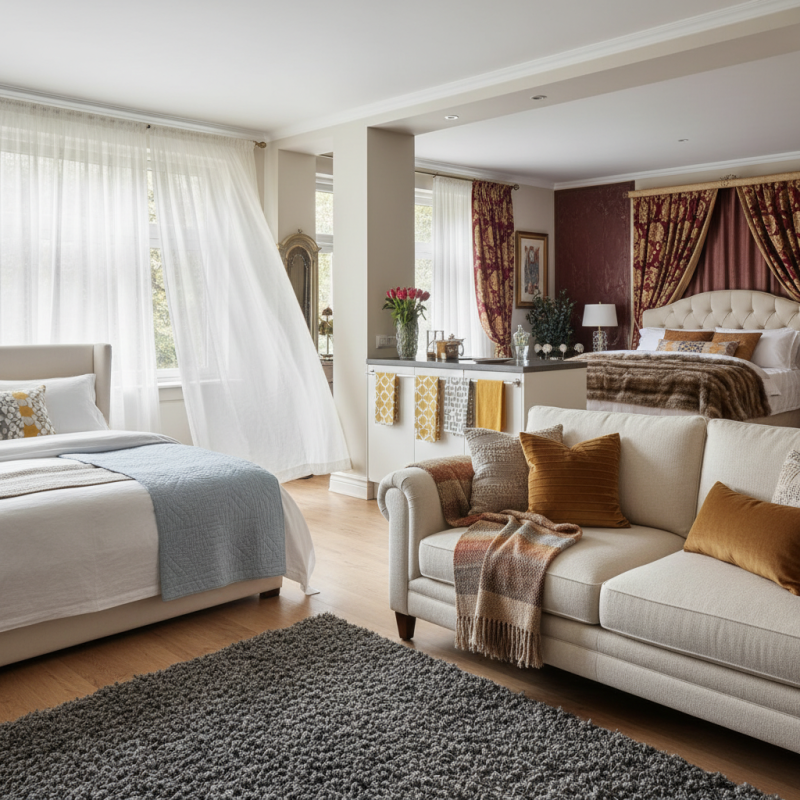
What are the Best Home Textile Fabrics for Every Room?
Choosing the right home textile fabric can transform any room. Each space in your home serves a unique purpose, and the fabric you select impacts its atmosphere. For a cozy living room, a soft, durable fabric can invite relaxation. In contrast, a breathable, light fabric works wonders in a sunny bedroom.
When considering home textile fabric, think about both style and function. Different rooms have varied needs. For instance, the kitchen demands fabrics that are both stain-resistant and easy to clean. Meanwhile, a luxurious feel in a master bedroom can enhance comfort.
It is an art to balance aesthetics with practicality. You might feel overwhelmed by choices. Remember, not every fabric will suit your lifestyle. Reflect on your habits and preferences as you pick your textiles. A thoughtful approach leads to a harmonious home environment.
Best Fabrics for Living Room Textiles: Comfort and Style
Choosing the right fabric for your living room textiles is crucial. It’s not just about looks; it’s about comfort. Soft cotton or linen can provide a cozy atmosphere. These materials are breathable and enhance relaxation. They invite you to sit back and unwind.
Some may prefer velvet for its lush feel. It adds elegance but might require more maintenance. Think about how often you entertain guests. Will that beautiful fabric withstand the wear and tear? Similarly, consider color. Darker shades may hide stains better, but they can make a room feel smaller. Light colors can expand the space visually but may not withstand heavy use.
Remember to experiment with textures. Mixing fabrics like wool and silk can create depth and interest. But be mindful. Too many textures can feel chaotic. Striking the right balance is essential. Aim for a cohesive look while allowing each piece to shine. Textiles should be a reflection of your style and needs.
Choosing Bedroom Fabrics for a Cozy Sleep Environment
Creating a cozy sleep environment starts with the right fabrics in your bedroom. Choose materials that feel soft and inviting against your skin. Cotton and linen are excellent choices for bed linens. They are breathable and help regulate temperature. This ensures a more comfortable sleep throughout the night.
When selecting blankets, consider wool or cashmere. These materials offer warmth without being overly heavy. Look for textures that feel nice to the touch. It can make a big difference in how relaxed you feel. Remember, the colors and patterns of your fabrics matter too. Soft, muted tones generally promote calmness, while vibrant patterns may energize the space too much.
Tips: Don’t forget about layering! Mixing different fabrics adds depth. Try combining a plush throw with a lightweight quilt. Keep pillows varied in texture for comfort. Also, periodically assess the condition of your fabrics. Worn-out bedding can negatively impact your sleep. It’s vital to refresh your textiles now and then for optimal coziness.
Optimal Kitchen Textiles: Durability and Cleanliness
When selecting textiles for your kitchen, consider durability and cleanliness. Cotton and polyester blends are excellent choices. They resist stains and can be easily washed. Look for fabrics that can withstand frequent use without showing wear. This choice will keep your kitchen looking fresh longer.
Tips: Always check the care instructions. Some fabrics may require special washing conditions. Be cautious of darker colors; they might fade quickly. Lighter fabrics can show stains more easily, leading to frustration.
Don’t forget the importance of texture. A textured fabric can hide minor stains better than smooth ones. Consider a patterned design for a fun look. This complicates the cleaning process as patterns can be harder to match in stain removal. It's essential to weigh aesthetics against practicality. Your choice reflects your kitchen's style but must also endure daily challenges.
Bathroom Fabrics: Moisture Resistance and Comfort
When selecting fabrics for bathroom textiles, moisture resistance is key. Traditional cotton may feel soft, but it can absorb water too quickly, leading to mildew and discomfort. According to industry reports, nearly 70% of mold growth in homes can be traced back to bathrooms. This highlights the importance of choosing the right materials.
Instead, consider polyester blends or microfiber. These fabrics tend to repel water and dry faster. A recent study noted that microfiber dries up to three times faster than conventional cotton. Additionally, they are often lightweight and easy to clean, which is essential for maintaining hygiene in wet environments.
Don't overlook comfort either. While functionality is crucial, aesthetics matter too. Textures matter. A soft feel can promote relaxation after a long day. However, the challenge lies in balancing comfort with durability. Some moisture-resistant fabrics sacrifice softness. Therefore, finding high-quality options that excel in both areas is essential. Aim for textiles that offer both comfort and practicality. Look for those specifically labeled for bathroom use.
Best Home Textile Fabrics for Bathroom
Selecting Fabrics for Home Offices: Functionality and Aesthetics
Creating a productive home office requires thoughtful fabric selections. The right materials enhance both functionality and aesthetics. For instance, studies show that color and texture can impact mood and focus. Research indicates that 68% of individuals perform better in visually pleasing environments.
Natural fibers, like cotton and linen, are excellent choices. They offer breathability and comfort, promoting a more relaxed workspace. Yet, synthetic options also serve practical purposes. Polyester blends resist wrinkles and stains, making them ideal for high-traffic areas. Balancing style and usability is key when selecting fabric for desks and chairs.
Consider acoustics as well. Plush fabrics can absorb sound, minimizing distractions. Yet, bold patterns may clash with focused work. Striking a balance between style and serenity can be challenging. Choose wisely, as each fabric speaks to individual personality and work habits.