Why Are Prices Of Drones With Cameras Rising Today?
The rising price of drones with cameras has become a notable trend in recent times. Several factors contribute to this increase. Technological advancements play a significant role. Newer models come equipped with better imaging capabilities, longer battery life, and enhanced features. These improvements often lead to higher production costs, which directly impact retail prices.
Market demand also influences the price of drones with cameras. As more consumers recognize the value of aerial photography, interest in these devices grows. This heightened demand allows manufacturers to increase prices while still attracting buyers. Additionally, supply chain challenges have emerged. Shipping delays and component shortages have affected production costs, creating a ripple effect on retail prices.
Reflecting on these dynamics reveals a complex landscape. Consumers must weigh the benefits of upgraded features against rising costs. The challenge lies in determining if the current prices align with their needs. Balancing quality and affordability can be daunting for many potential buyers. Understanding these factors can help consumers make informed decisions in a fluctuating market.
Current Trends in the Drone Camera Market
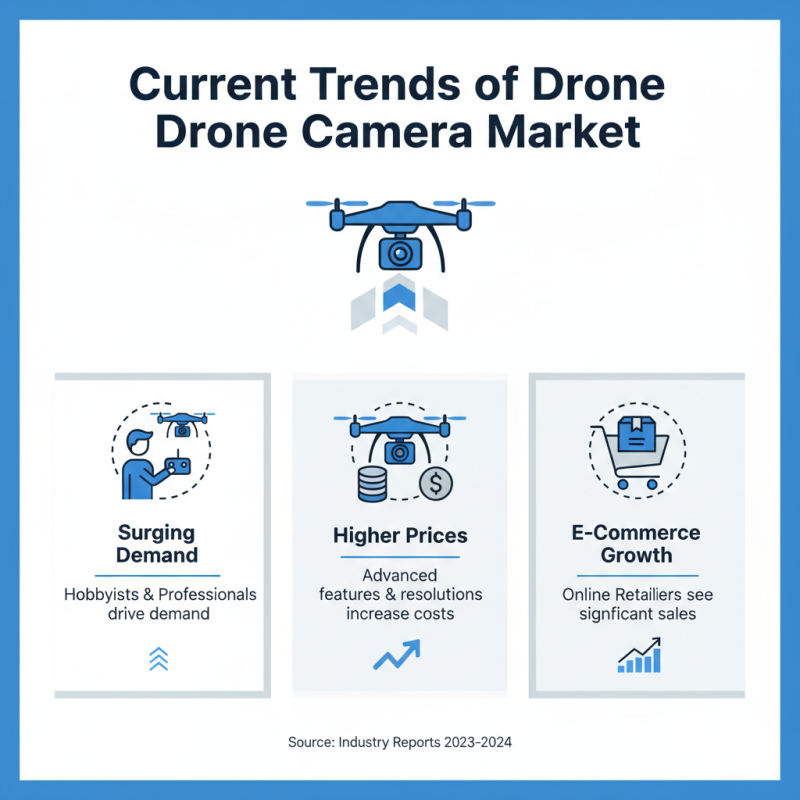
The drone camera market is experiencing notable trends as demand surges. More hobbyists and professionals are investing in high-quality drone photography. This has led to an increase in camera-equipped drone prices. Online retailers observe significant growth as consumers seek advanced features and higher resolutions.
Manufacturers are focused on enhancing camera capabilities. Integration of AI technology is becoming common. Drones now offer improved stabilization and intelligent tracking. These enhancements often come at a premium. However, some consumers question whether the high prices match their usage needs. There is a growing debate on value versus cost in the current market.
Sustainability is another trend affecting prices. Eco-friendly materials and energy-efficient batteries are gaining traction. Many buyers prioritize these features. Yet, the costs associated with sustainable technology are often higher. This raises concerns about accessibility for new users. Overall, the landscape of drone camera pricing remains dynamic, reflecting both innovation and user demand.
Factors Driving the Increase in Drone Prices
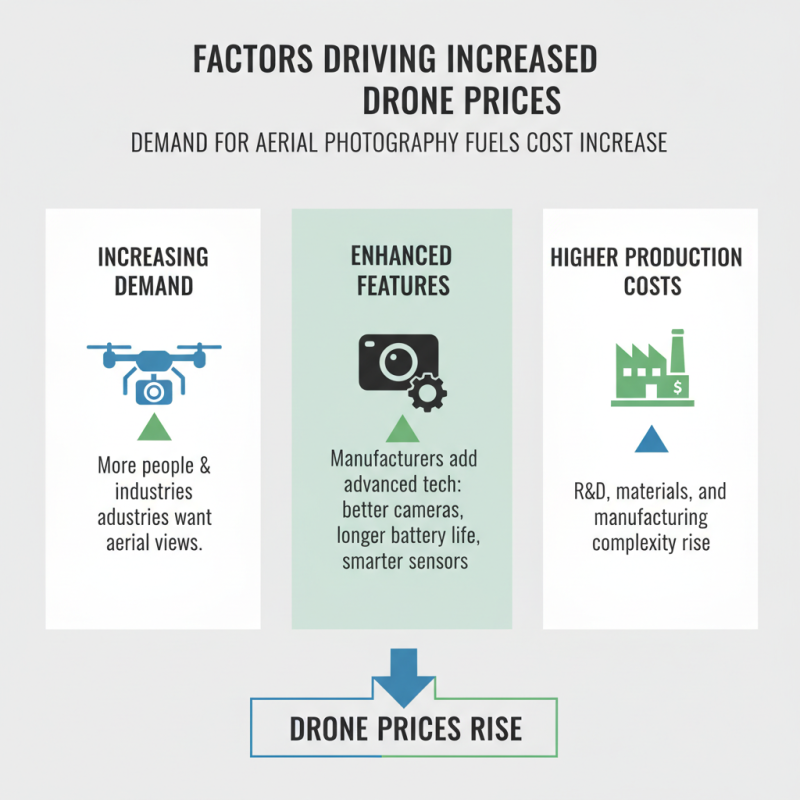
The price of drones with cameras has been rising recently. Several factors contribute to this trend. The increasing demand for aerial photography is one of the main drivers. As more people and industries recognize the benefits of aerial views, the market continues to grow. Photography enthusiasts and professionals alike seek quality images. This demand pushes manufacturers to enhance features, thus increasing costs.
Technological advancements also play a significant role. Drones now come equipped with better cameras, longer battery life, and advanced stabilization systems. These upgrades improve performance but also raise the production prices. The materials used in manufacturing drones are becoming more expensive, too. For instance, lightweight composites and powerful motors add to costs. This complexity sometimes leads to inconsistent quality and customer dissatisfaction.
Lastly, inflation and supply chain issues affect pricing. Global events have disrupted manufacturing and shipping. These fluctuations mean customers often pay more for their desired drones. Manufacturers struggle to maintain competitive pricing. The challenges they face could lead to price hikes and availability issues in the future. Balancing quality and affordability remains a critical challenge for the industry.
Technological Advancements in Camera Drones
The rise in prices of camera drones can largely be attributed to rapid technological advancements. Recent reports indicate that the global drone market is expected to grow from $22 billion in 2021 to over $41 billion by 2026. This increase is fueled by innovations in camera technology, enhancing image quality and functionality. New sensors, such as multi-spectral and thermal cameras, are becoming increasingly common.
Improved battery life is another factor. Many drones now offer flight times exceeding 30 minutes. This development allows for longer aerial photography sessions. Enhanced stabilization features also mean clearer images, even in windy conditions. A report from the Federal Aviation Administration highlights a growing demand for these functionalities in diverse sectors, including agriculture, construction, and filmmaking.
However, as technology progresses, some challenges emerge. The complexity of these drones can be daunting for new users. Additionally, the cost of advanced components can drive prices higher. This can create barriers for entry-level consumers. Understanding these challenges is essential for industry growth and user satisfaction.
Market Demand and Supply Influences on Pricing
The rising prices of drones with cameras are largely driven by market demand and supply influences. Recent reports indicate that the global drone market is expected to reach $42.8 billion by 2026, showing a significant growth trajectory. This surge is primarily fueled by increased applications in sectors like real estate, agriculture, and filmmaking. As more industries recognize the value of aerial photography, the demand for these drones continues to soar.
On the supply side, manufacturers face challenges in sourcing components. The semiconductor shortage has affected production rates. As a result, companies are unable to meet the growing market demand fully. This supply constraint leads to higher prices, creating a ripple effect across the industry. Consumers must be prepared for these fluctuations, which can vary widely based on region and availability.
Tips: Consider renting drones for short-term projects. This can help reduce costs significantly. Keep an eye on market trends; prices can drop if new technologies emerge. Be aware of warranty and support offerings when selecting drones, as this can impact long-term value.
Rising Prices of Drones with Cameras
The chart above illustrates the increasing average prices of drones with cameras over the past five years. Notably, the demand for drones has surged due to advancements in technology and their applications in various sectors, contributing to the upward price trend.
Comparative Analysis of Drone Prices Over Time
The drone market has seen significant price fluctuations over the years. According to a report from MarketsandMarkets, the drone industry is projected to reach $43 billion by 2024. This growth is reflected in the rising prices of drones equipped with cameras. The prices of consumer drones have increased by nearly 20% since 2020. Factors like enhanced technology and market demand influence this trend.
Camera drones have become more accessible, but price increases are notable. A 2022 study by Research and Markets indicated that high-end camera drones could reach average prices of $2,500-3,000. This rise reflects the growing desire for high-quality aerial photography. However, the disparity in pricing also raises questions about affordability for hobbyists and enthusiasts.
Some may argue the market is evolving rapidly, but this evolution creates barriers. Newer models often feature advanced capabilities, further driving up costs. As a result, many consumers face tough choices between budget and performance. This situation reminds us to reflect on the balance between innovation and affordability in the drone market.